

The Analysis: The Flexibility Paradox of SaaS
The software industry’s shift to a cloud-based, subscription model has changed the financial structure of organizations. One-time capital expenditures, known as CapEx, have been replaced by ongoing operational expenses, known as OpEx.
On paper, this is a flexible model that helps prevent vendor lock-in. In practice, however, many organizations find themselves dealing with SaaS over-licensing: paying too much for licenses that are not being fully used, while also facing complex legal, financial and administrative exposure.
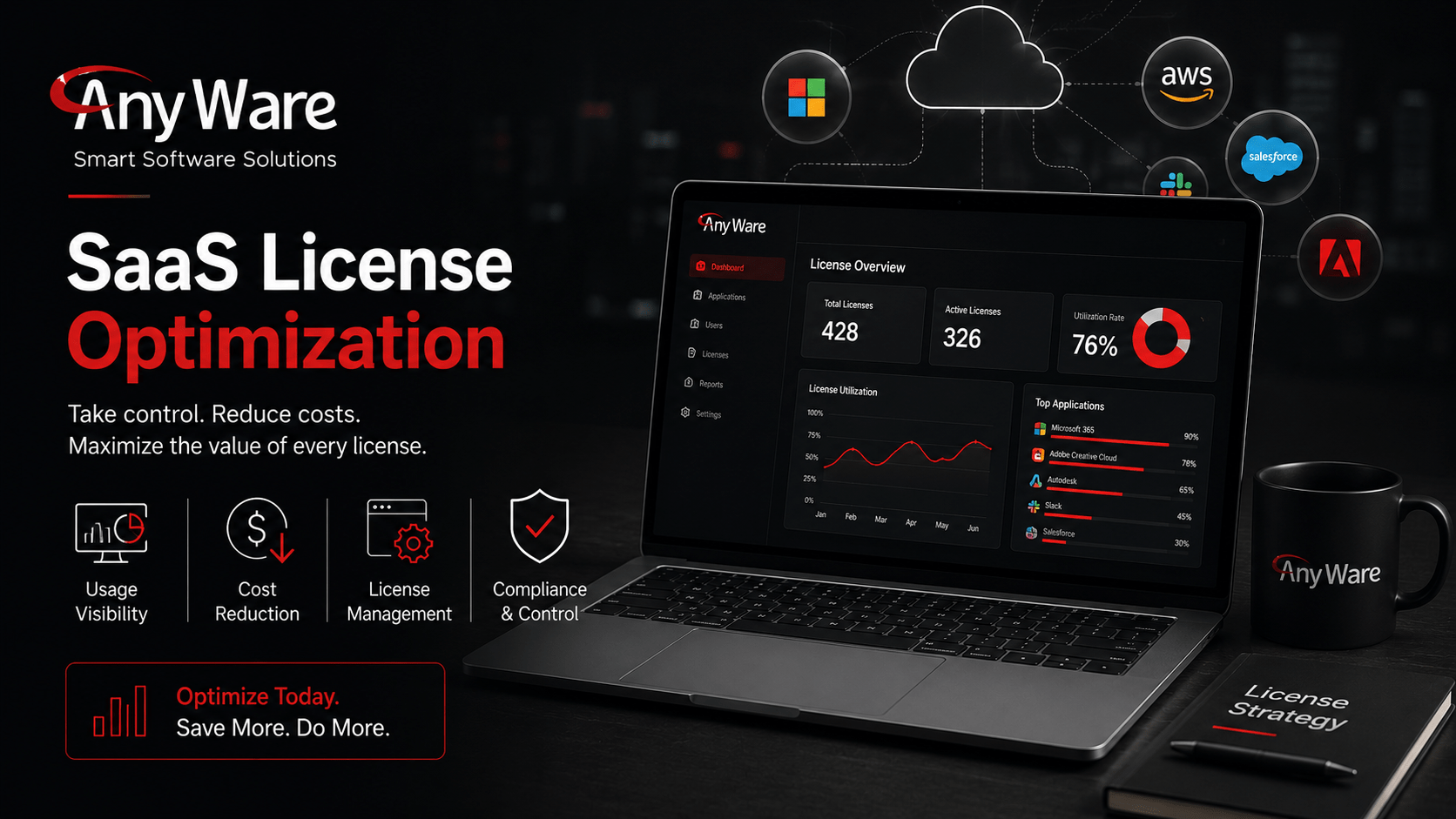
To Address This Challenge, Organizations Must Operate Across Three Parallel Areas
1. Financial and Operational Optimization – License Optimization
The main challenge lies in the constant changes made by software vendors. Major technology companies frequently update their packages, pricing models and licensing terms.
Optimization is not only about getting a cheaper price. It is about matching the right license type to actual usage. Many organizations discover that moving from payment based on “potential usage” to payment based on “real consumption” can save a significant percentage of the annual IT budget.
2. Compliance and Risk Management
In the SaaS world, compliance has become a hidden financial risk.
Exceeding the permitted number of users, or using software in an environment that does not match the license terms, such as using an academic license for commercial purposes, can expose the organization to heavy penalties during a vendor audit.
Compliance management requires careful monitoring, which many organizations are not fully prepared to handle on their own.
3. Software Lifecycle Management
This is the most strategic area.
Choosing a licensing partner that is not just a “license delivery channel,” but also an advisory partner, allows the organization to anticipate changes in vendor policies before they affect the budget.
This includes managing upgrades, consolidating renewal dates through co-termination and identifying alternative technologies when needed.
AnyWare’s Key Conclusions
- Centralization is power: Decentralized license management, where each department purchases software independently, leads to duplicate licenses and weaker negotiation power with the vendor.
- Expertise creates real value: Buying software without professional guidance is like buying insurance without understanding the policy. The damage usually becomes clear only when support is actually needed.
Our Recommendations for Clients
1. Adopt a Co-Termination Strategy
We recommend consolidating all software renewal dates into one annual renewal date.
This creates full budget control and prevents unpleasant surprises caused by automatic renewals at list prices.
2. Perform a Quarterly “Shelf Cleaning”
Do not wait for the annual renewal date.
We help our clients review actual usage levels across license features and downgrade license tiers when the usage does not justify the cost.
3. Appoint an External Licensing Trustee
Use AnyWare’s experts to manage license tracking and communication with vendors.
We make sure your licensing remains compliant, up to date and cost-optimized, so your team can focus on the organization’s core activity.
Need software that fits your needs?
The AnyWare team helps businesses and professionals choose, purchase and implement software and licenses for their working environment and professional requirements.
Frequently asked questions
What should you check when considering SaaS License Optimization: From Cost Management to Strategic Value Management?
Define the intended use, working environment, compatibility requirements and budget before comparing the relevant options.
Why should software and licenses come from a trusted source?
A trusted source helps ensure valid licensing, security updates, compatibility and professional support when needed.
Is professional advice worthwhile before purchasing?
Yes. A professional review can reduce unnecessary purchases and improve the fit between the solution and the actual requirements.